



Floor check for a pharmacy dispensing robot
Structural drawings and calculations to confirm that the floor of a high street pharmacy can carry a new automated dispensing robot.
The project
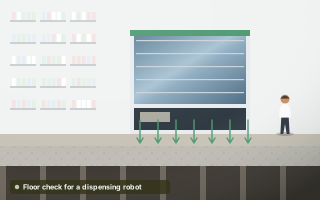
This Putney project involves a high street pharmacy that is installing an automated dispensing robot. The brief is to confirm, with drawings and calculations, that the floor can carry the robot, and to give the installer clear information before the equipment arrives. Retailers often plan an installation around delivery dates and fit-out programmes, so the structural answer needs to be clear and timely.
Automated dispensing robots are heavy pieces of equipment concentrated on a relatively small footprint. That makes them very different from the spread-out loads of shelving, stock and customers that a shop floor usually carries. High street buildings also vary widely in how their floors are built, from timber joists to concrete slabs, and older floors may have been altered by previous tenants over the years.
What we did
- Survey of the existing floor structure
- Floor capacity check for the robot's loads
- Strengthening details where needed
- Drawings and calculations for the installer
Checking a pharmacy floor for heavy equipment
We start with a survey of the existing floor structure. Knowing how the floor is built, which way it spans and what it bears on is essential before any capacity check can mean anything. The capacity check then compares the robot's loads with what the floor can carry, looking at both the total weight and the way it is concentrated at the equipment's supports.
Where the floor needs help, we design strengthening details that suit the existing structure and the shop's layout. The drawings and calculations are prepared for the installer, so they know exactly what is required before the robot goes in, and the pharmacy has a record of the check for its own files. Our structural engineering work in Wandsworth includes commercial floor checks like this as well as homes.
Why heavy equipment needs a floor check
- Concentrated loads behave differently from spread loads of shelving
- The existing floor structure must be understood first
- Strengthening may be needed under heavy equipment
- Installers need clear drawings and calculations
- Checks are best done before delivery dates are fixed
Planning something similar?
Installing heavy equipment in a shop, pharmacy or clinic calls for a floor check before delivery, not after. If you are planning a similar installation, our floor loading assessment confirms what the floor can take and whether strengthening is needed before the equipment is ordered.