



Structural engineer in Hounslow
Structural engineers for houses, flats, conversions and mixed-use buildings in Hounslow. We have worked on 54 projects across TW13, TW14, TW3, TW4, TW5, TW7, TW8, W4 since 2019.
Structural engineering in Hounslow
Hounslow stretches from Chiswick (W4) and Brentford (TW8) on the Thames, through Isleworth (TW7), Hounslow (TW3, TW4) and Heston (TW5), to Feltham and Bedfont (TW13, TW14) beside Heathrow. We have carried out 54 projects in the borough since 2019, ranging from alterations to Chiswick terraces to new dwellings on back-land plots in Feltham. The borough splits roughly into older riverside streets in the east and interwar suburbs in the west.
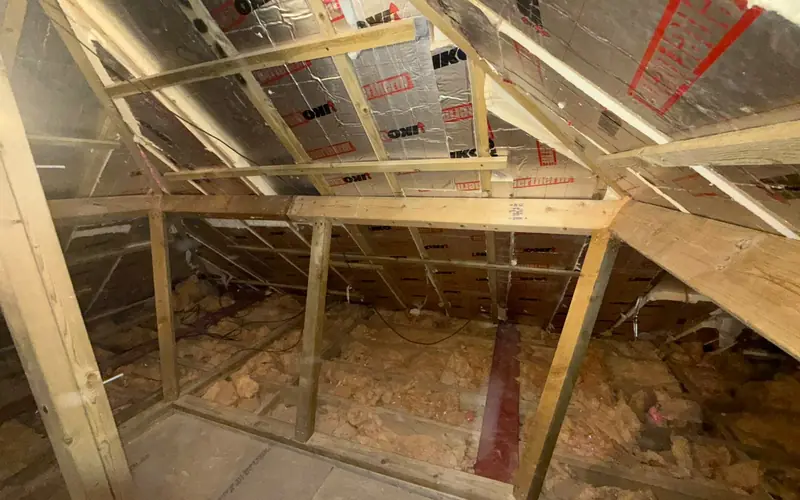
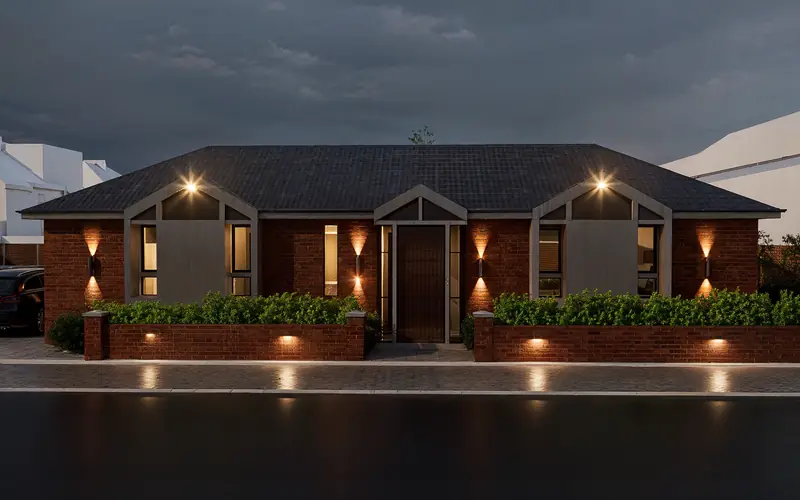
Two Feltham jobs show the range. One was a full appointment that began with an inspection and measured survey and went on through revised structural design to Building Control sign-off. The other was the structural design of a new single-storey home on land to the rear of existing houses. Both depended on understanding exactly what was already on site before designing anything new.
Chiswick terraces, riverside Isleworth and Feltham semis
Chiswick has Victorian and Edwardian terraces and semis, the early garden suburb at Bedford Park and some mansion blocks. Lofts, side returns and rear extensions dominate, often in conservation areas. Brentford and Isleworth add Georgian and Victorian riverside houses, workers' cottages and newer flats on former industrial land.
West of Chiswick, much of Hounslow, Heston, Cranford and Feltham was developed between the wars and after 1945, with semis, short terraces and council housing. Many have side passages or garages suited to extensions, and some long gardens have room for a new home at the rear. Houses near the town centres are often converted into flats or HMOs.
Thames terrace gravels and the Crane and Brent valleys
Most of Hounslow is built on flat-lying Thames terrace gravels above the London Clay, giving fairly flat ground with reasonable bearing at modest depth. Near the Thames at Chiswick, Brentford and Isleworth, and along the Rivers Crane and Brent, softer alluvium and made ground occur and groundwater can be shallow. In the west, past gravel extraction has left backfilled pits in places.
Where gravel overlies clay, trees are less of a worry than in the clay boroughs, but where the gravel is thin the usual shrink-swell risks return. For new homes on back-land plots, a geotechnical desk study can flag former pits, flood risk and contamination before design starts.
Common structural jobs across Hounslow
Chiswick and Brentford generate careful alterations to period houses, while the west of the borough sees more extensions, conversions and small new-build schemes on back-land and garage sites. Inspections and surveys before redesign are a regular part of our work here.
- Side returns and lofts on Chiswick terraces
- Rear and side extensions on interwar Feltham and Hounslow semis
- New single-storey homes on back-land plots
- Measured surveys and inspections before redesign
- Foundation design on gravel and made ground
- Flood risk work near the Thames and the Crane
Services most requested
Projects in Hounslow
Hounslow Council, flood zones and Building Control
Hounslow has conservation areas including Bedford Park, Strand on the Green and Old Isleworth, and Article 4 directions in some streets. Hounslow Council will confirm what applies. In flood zones, planning applications may need a flood risk assessment, even for modest schemes.
We send calculations and drawings to Building Control and can carry the design through to sign-off, as on our Feltham appointment. Shared walls mean party wall notices are usually needed for lofts and extensions; our party wall guide sets out the process.
Questions about structural work in Hounslow
Can I build a house in my back garden in Feltham?
Sometimes. Planning comes first, as the council will look at access, privacy, garden sizes and parking. Structurally, a back-land home needs foundations designed for the local soil and any nearby trees, a drainage route that works, and a plan for getting materials in. We designed a new single-storey home on land behind existing houses in TW14.
Is the ground in Hounslow good for building on?
Generally, yes. River terrace gravels give fairly good bearing at modest depth across much of the borough. The exceptions are alluvium near the Thames and rivers, made ground on former industrial land and backfilled gravel pits, where deeper or piled foundations may be needed. A trial pit or ground investigation confirms the conditions on your plot.
What happens if my builder finds something unexpected on site?
It is common in older houses. We revisit the design to suit what has been found, issue revised calculations and drawings, and agree them with Building Control. Our structural design revision or variation service covers this. One Feltham appointment ran from inspection and survey through revised design to final sign-off.
Do I need a flood risk assessment for a Chiswick extension?
If your property is in a flood zone near the Thames, the council may ask for one with the planning application, even for a small extension. It looks at flood levels, floor levels and resilience measures. Homes further from the river usually do not need one, and Hounslow Council's planning team can confirm.